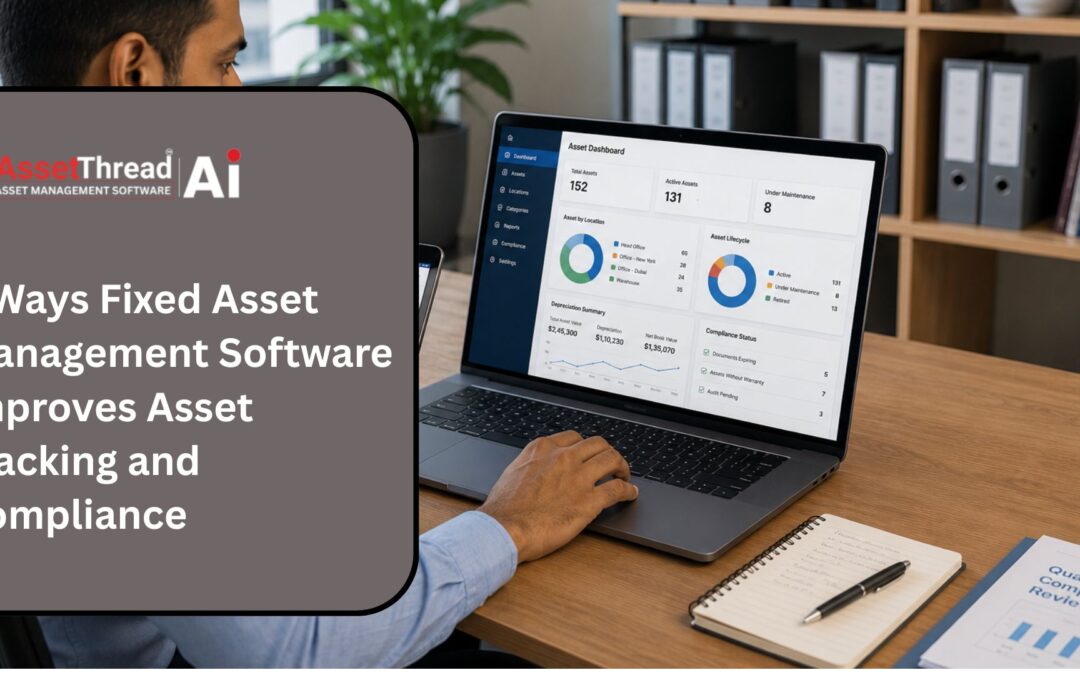
An effective management of a fixed asset is necessary for companies that are looking to have an efficient operation, keep current records and are at compliance with the government’s requirements. Whether it’s office equipment and machinery, vehicles, or IT assets, any business must have a proper means of tracking its valuable resources. Fixed asset management software can streamline business processes by automating asset tracking, reporting, and ensuring financial accuracy throughout an asset’s life cycle. Automatic management tools can boost visibility, decrease administrative work and enable organisations to make knowledgeable business choices.
Automated Asset Tracking
Automated tracking is one of the primary benefits of digital asset management. A business can keep track of asset location, ownership and status with a single centralised system, rather than with spreadsheets or on paper. This minimises human error and maintains accurate information.
Automated tracking also enhances responsibility with full histories of assets and maintenance records. Easy to find equipment, track asset movement and minimise lost, unaccounted assets.
A number of organizations also adopt fixed asset tracking software, which enhances visibility in operations and helps maintain a real-time inventory of all company assets in multiple functional departments and locations.
Depreciation and Lifecycle Management
The key to keeping an asset running smoothly and monetarily is to have a lifetime asset management plan. It is important for businesses to keep an eye on the time of acquisition, maintenance planning, depreciation and eventual replacement of assets.
Fixed asset management software can automate the depreciation process, ensure that detailed histories of all assets are kept, and schedule the replacement of equipment based on accurate data relating to the assets’ lifecycles. This will decrease manual efforts and enhance the financial reporting and budgeting.
Regularly incorporating lifecycle management into business operations also can enable businesses to make better long-term investment decisions and maximise asset value.
Audit Readiness and Compliance Reporting
Record-keeping is essential for adherence and financial checks. The businesses should be capable of generating asset details, maintenance history, depreciation report, and ownership information as needed.
By having an organised system for managing assets, this information is easier to access and prepare for audits and ensure regulatory compliance. A single place of asset information also means more accurate reporting and less time is spent collecting documentation.
Compliance can be further improved by:
- Keeping full records of assets
- Automating depreciation reports
- Tracking maintenance activities
- Improving documentation accuracy
- Minimizing human error in reporting.
Having established good reporting systems, organisations can be more efficient in their response to audits and they can have more confidence in their asset data.
Conclusion
Fixed asset management software can help companies enhance asset tracking, automate asset lifecycle management, and streamline compliance reporting. Implementing a structured asset management strategy can help organisations to minimize manual tasks, increase efficiency, and ensure they have accurate records that will help them with long-term business growth.
Frequently Asked Questions
Q1. What is fixed asset management software ?
A. Fixed asset management software helps businesses track, manage, and maintain fixed assets while improving reporting accuracy and operational efficiency.
Q2. How does automated asset tracking improve business operations?
A. Automated asset tracking provides real-time visibility into asset location, ownership, and maintenance history, helping businesses reduce errors and improve productivity.
Q3. Why is lifecycle management important for fixed assets?
A. Lifecycle management helps businesses monitor asset performance, schedule maintenance, calculate depreciation, and plan timely replacements to maximise asset value.