Any business has invested in many assets like production tools, computers, office equipment, vehicles, and machinery. These assets depreciate over time because they are used, worn, become obsolete because of advancement in technology or market conditions. It is time-consuming and susceptible to mistakes to follow up such a drop on an ad hoc basis. Asset depreciation software is designed to derive, track and evaluate the decrease in the value of an asset over its lifespan. The cost benefit is to enhance financial report, compliance, and business decisions, among others, through automating depreciation calculations and keeping accurate records. Many companies use asset depreciation software which also helps them to manage assets and maintain complete visibility over assets.
Core Functions of Depreciation Tracking Tools
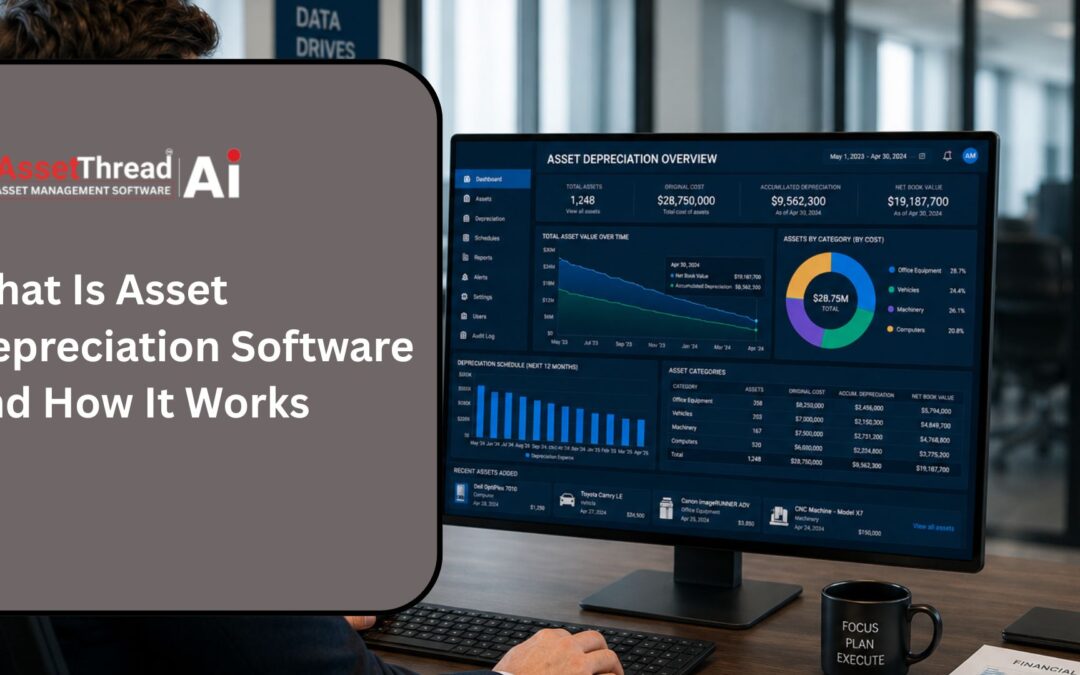
The goal of asset depreciation software is to help streamline managing asset values over their life cycles. Rather than schedule depreciation on spreadsheets or by hand, companies can efficiently keep track of the depreciation schedule and ensure accurate financial records on a centralized platform.
These tools are especially used for automated computing of depreciation. After some information, like the purchase cost, acquisition date, useful life, depreciation method, etc., is entered into the system, calculations are done automatically. This will help cut down on human error and uniformity in financial reports.
Another key feature is asset lifecycle tracking. Businesses can track assets from initial acquisition to their final disposal, ensuring their visibility into asset performance and value. It aids organisations in making informed decisions on maintenance, upgrade or replacement.
Sometimes they come with extra capabilities, such as:
- Automated depreciation calculations
- Asset lifecycle tracking
- Financial reporting support
- Audit-ready documentation
- Asset value monitoring
Many companies mix the fixed asset software into depreciation management software, which allows them to track both operational and financial asset details within one system. Using this integration can make things more efficient and ensure that the records are kept accurate across departments.
Common Depreciation Methods Automated by Software
One of the main advantages of depreciation software is that it automates the calculation process, ensuring greater accuracy and efficiency for businesses.
The straight-line method is the most prevalent, which allocates an asset’s value to its useful life evenly.
Declining balance depreciation allocates higher expenses in the years a tax benefit is most needed, making it appropriate for assets with a fast rate of value decline.
Double declining balance depreciation will further increase this, as businesses are able to spread larger depreciation amounts earlier.
The units of production method is used for the depreciation of asset based on actual usage and is suitable for machinery and equipment.
These methods can be automated to save businesses time, increase the accuracy of reports and ensure financial records are accurate and consistent.
Industries That Benefit from Automated Depreciation Calculations
Many industries rely on a lot of physical assets and can greatly benefit from automated depreciation tracking. Correct asset valuation enables organisations to enhance their financial management, budgeting, and compliance reporting.
Depreciation software is used by manufacturing companies in order to oversee the factory assets, machinery and equipment involved in production. Automated tracking ensures accurate reporting and facilitates maintenance and replacement planning.
Many healthcare institutions have valuable medical equipment that needs to be tracked effectively. Hospital and clinic automated depreciation calculations keep hospitals and clinics compliant and help to keep budgets ahead.
Construction companies use costly equipment, vehicles and tools. Accurate tracking of depreciation facilitates the awareness of asset value and the making of informed investment decisions by companies.
Asset management is the solution used by logistics and transportation companies to track vehicle fleets and operational equipment. Automated calculations streamline financial reporting and contribute to long-term planning.
Additionally, depreciation tracking in educational institutions helps them manage the investments in technology, lab equipment, furniture and infrastructure more efficiently.
In every sector, asset depreciation software can prove beneficial in enabling organisations to gain an accurate view of their finances, streamline administrative tasks and keep a good eye on their assets.
Conclusion
Asset depreciation software streamlines asset value management, simplifying the process by automating asset value calculations, and keeping accurate financial records throughout an asset’s lifecycle. Automated depreciation tracking minimizes manual work, aids compliance with reporting needs, and enhances the precision of reports. When integrated with fixed asset software, organisations can now better leverage assets to monitor asset performance, improve financial management, and make more informed decisions for asset investments and long-term planning.
Frequently Asked Questions
Q1. What is asset depreciation software used for ?
A. Asset depreciation software helps businesses calculate, track, and report asset depreciation automatically while maintaining accurate financial records.
Q2. How does fixed asset software improve financial management ?
A. Fixed asset software centralises asset information, automates depreciation calculations, and simplifies financial reporting processes.
Q3. Which depreciation methods can software automate ?
A. Most systems support straight-line, declining balance, double declining balance, and units of production depreciation methods.