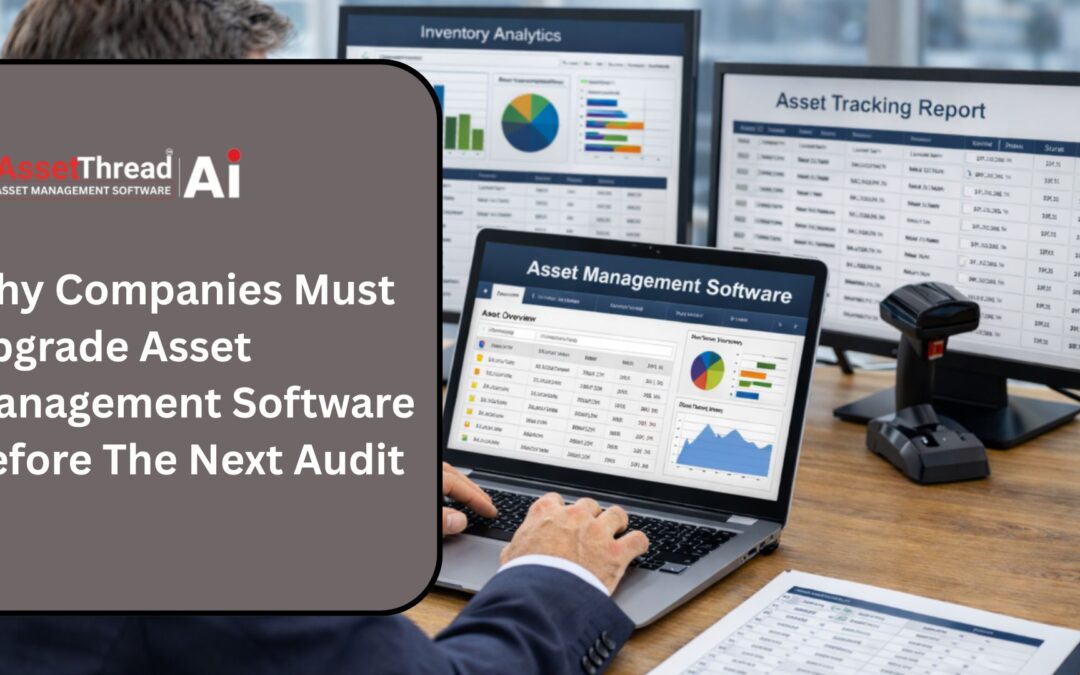
Audits tend to reveal issues that companies would hardly realize in the running of the business. Lost laptops, ineffective depreciation, or equipment that cannot be traced by anyone are the usual problems auditors find during the examination of company information. A significant number of organisations continue to use spread sheets or half-baked methods of tracking, making it extremely hard to prepare to an audit than it should be.
The upgrade of the current asset management software to the latest era aids companies to set their asset data in order and prevent the last-minute misunderstandings. Rather than have to sort through a randomized set of files, finance departments can have immediate access to organized records. An effective asset management system also makes sure that the information about the assets is correct and that it can be easily verified upon the request of the auditors.
What is Asset Management Software And Why Audits Depend On It
Asset management software is simply a system that assists companies in tracking, recording and managing all the physical assets that a company possesses. Such resources can be in form of machinery, laptops, office furniture, vehicles, or any other long life resources utilized in day to day operations.
When auditing, the financial records should be consistent with the assets present in the organisation. Lack of appropriate tracking tools may expose business to problems including:
- Lost or ill-illustrated asset records.
- wrong depreciation values.
- Assets that are in books but not physical in nature.
These gaps can be eliminated by using the best fixed asset software. Purchase information, asset history and depreciation schedules are readily available to teams without the use of old-fashioned spreadsheets. The technology equipment, including computers, servers and networking devices are also managed by modern systems in use like the IT Asset Management Software to monitor them.
How Asset Management Software Works in Real Business Environments
Understanding how these systems operate helps explain why many organisations upgrade their tools before an audit period begins.
Modern asset management software records asset information from the moment an item is purchased until it is retired or replaced. Important details such as purchase date, asset location, assigned department, and depreciation value are stored in one organised system.
Most of the fixed asset software packages are also used with accounting software and this saves manual entry of data and is better at reporting. In companies that have presence in several locations, the assets are much easier to track through this centralised structure.
Enterprise Asset Management Software is commonly used in bigger organisations to facilitate the management of assets in various departments, facilities and various operational locations.
How To Prepare For Audits With Better Asset Tracking
It is easy to prepare to audit when the records of the assets are updated during the year. The process can be enhanced by companies concentrating on a number of practical steps.
• Check asset books on a regular basis and make corrections on older records.
• Reform replace the spreadsheets with structured fixed asset software programs.
• Ascertain depreciation schedules are in line with accounting policies.
Audits become more of a routine than a stressful exercise where asset tracking is done in a proper manner. Finance departments do not spend as much time locating documents and auditors are able to test information within a short time. Properly structured records eventually create trust in the financial reporting and discipline of operations by a company.
Frequently Asked Questions
Q1. What is asset management software used for during audits ?
A. Asset management software helps businesses maintain accurate records of equipment, purchases, and depreciation so auditors can easily verify financial data and confirm that reported assets actually exist.
Q2. Why should companies upgrade asset management software before an audit ?
A. Upgrading early helps teams organise asset records, fix missing data, and generate accurate reports, reducing last minute stress when auditors request documentation.
Q3. How does asset management software improve audit accuracy ?
A. It keeps asset information such as purchase date, location, and depreciation organised in one system, reducing manual errors and making financial records easier to verify.